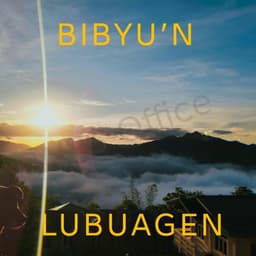
Bassong
by Godfrey BassongServing as a temporary capital for the First Philippine Republic under Emilio Aguinaldo from March 6 to May 17, 1900, during the Philippine American war. It was never colonized by the Spanish and became the administrative center for the American-established sub-province of Lepanto-Bontoc in 1905.
Lubuagan is unique due to its historical significance as the temporary capital of the Philippine republic in 1900, its rich Kalinga cultural heritage including being a "cradle of Kalinga craftsmanship," and its mountainous geography. The municipality served as a refuge for General Emilio Aguinaldo and the national government during a pivotal time in history, an event commemorated through landmarks.
AGA
weaving tradition, a skill passed down through generations, which is celebrated annually.
LAGA FESTIVAL
This annual festival celebrates the art of "laga“, which means weaving. It showcases the intricate backstrap weaving techniques used to create traditional garments like the tapis and be-e, as well as home goods and accessories.
ALANUS
The traditional Lubuagan ritual described is a customary marriage celebration and thanksgiving ceremony. It confirms a couple's union to their community and can also be held to celebrate achievements like passing an exam or fulfilling an ambition.
palanus The ritual typically includes:
Animal sacrifice
Prayers led by a ritual specialist
It serves both social and spiritual purposes in Kalinga culture.
The people of Lubuagan are known for their rich culture and strong sense of community. They take pride in their traditions like weaving, storytelling, and the bodong or peace pact system. Lubuagan is also historically important because it was once the seat of the Philippine Republic under Emilio Aguinaldo. Most people are farmers and stay connected to their land. Despite changes over time, they continue to preserve their language and cultural practices.
Awichon cultural village, The village was founded by Alonzo Saclag (born 4 August 1942), a native of Lubuagan who taught himself Kalinga’s traditional performing arts (gong, flute, dance) and became a major cultural advocate.
Kadamayan Falls is located in Barangay Western Uma in Lubuagan, Kalinga.
It lies roughly on the boundary of Lubuagan and Pasil and Tinglayan municipalities.
According to one travel‐site, the falls cascade for more than 30 meters into a very deep pool, and the water emanates from the mossy forests of Mount Binuluan.
Lubuagan pride reflects the rich cultural heritage, resilience, and strong identity of its people, rooted in traditions, language, and history. It celebrates the legacy of leadership, such as being once the seat of government in Kalinga, and the community’s commitment to preserving its customs and values for future generations.
eople view Lubuagan as a culturally rich and peaceful place known for its strong traditions, weaving, and historical significance. Visitors appreciate its simplicity, hospitality, and efforts to preserve heritage. un Lubuagen Mayat un bigbigat taku losan, awed kami un man invite kan jikayu losan un inkayu pasyayon ji ili min lubuagen awed ji ilaslastug mi un spot awed kan ( Awichon, lilayan, kachamayan) and the point view of lubuagan. Serving as a temporary capital for the First Philippine Republic under Emilio Aguinaldo from March 6 to May 17, 1900, during the Philippine American war. It was never colonized by the Spanish and became the administrative center for the American-established sub-province of Lepanto-Bontoc in 1905.
Lubuagan is unique due to its historical significance as the temporary capital of the Philippine republic in 1900, its rich Kalinga cultural heritage including being a "cradle of Kalinga craftsmanship," and its mountainous geography. The municipality served as a refuge for General Emilio Aguinaldo and the national government during a pivotal time in history, an event commemorated through landmarks.
AGA
weaving tradition, a skill passed down through generations, which is celebrated annually.
LAGA FESTIVAL
This annual festival celebrates the art of "laga“, which means weaving. It showcases the intricate backstrap weaving techniques used to create traditional garments like the tapis and be-e, as well as home goods and accessories.
ALANUS
The traditional Lubuagan ritual described is a customary marriage celebration and thanksgiving ceremony. It confirms a couple's union to their community and can also be held to celebrate achievements like passing an exam or fulfilling an ambition.
palanus The ritual typically includes:
Animal sacrifice
Prayers led by a ritual specialist
It serves both social and spiritual purposes in Kalinga culture.
The people of Lubuagan are known for their rich culture and strong sense of community. They take pride in their traditions like weaving, storytelling, and the bodong or peace pact system. Lubuagan is also historically important because it was once the seat of the Philip